5 Easy Proven Musty Backpack Smell Fixes
Musty backpack smell is a common annoyance that can make your bag—and everything inside it—feel old and damp. In this article you’ll get five proven, easy fixes that remove odor, dry the fabric safely, and help keep your backpack fresh longer.
Why backpacks develop a musty smell
Backpacks trap moisture, sweat, and food particles. When airflow is limited—after rainy days, sweaty commutes, or storing a damp gym kit—microbial growth and mildew begin. That smell comes from bacteria and mold molecules breaking down organic residues. Understanding this helps pick the right treatment: you want to remove odors, dry the material, and eliminate the underlying moisture or residue that feeds the smell.
5 proven methods to remove musty backpack smell
Method 1: Sun dry + air out
The simplest first step is drying and airing. Leave your empty backpack open in direct sunlight for several hours: sunlight kills some surface microbes and vaporizes trapped moisture. Turn the bag inside out and let straps, pockets, and linings get direct sun and breeze. Repeat drying after any wet day to prevent the smell from forming again. Note: avoid extended sun exposure for leather parts—limit sun time or shade those areas.
Method 2: Baking soda refresh
Baking soda neutralizes odors without harsh chemicals. Sprinkle a generous layer into main compartments and pockets, close the bag, and leave it overnight. Shake out the powder and vacuum the interior in the morning. For stubborn pockets, place baking soda in a small cloth pouch or jar so you don’t make a mess. Baking soda works because it absorbs acidic and basic odor molecules rather than masking them.
Method 3: Vinegar steam wipe
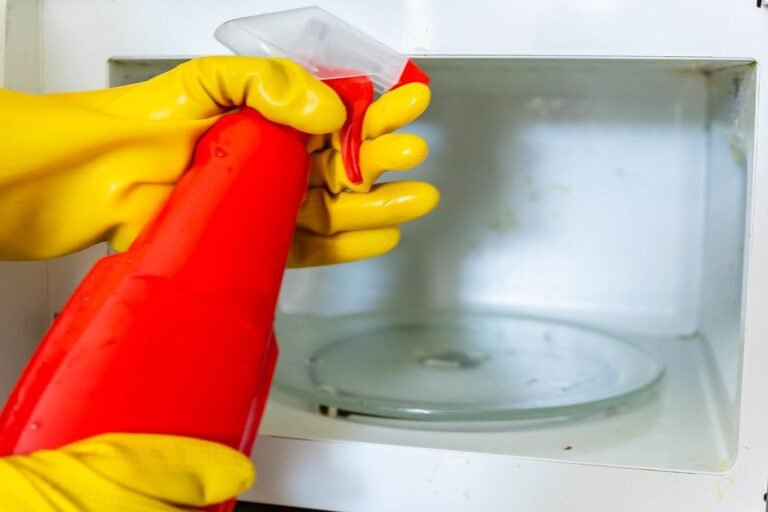
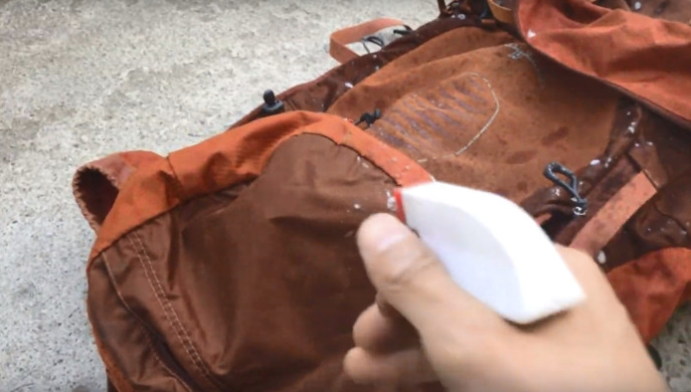
White vinegar kills many microbes and cuts through mildew smell. Mix equal parts water and white vinegar in a spray bottle. Lightly mist the interior fabric—don’t soak—and let it sit for 10–15 minutes, then wipe with a clean cloth and air dry. For small areas, dampen a cloth with the vinegar mix and rub the lining directly. The vinegar scent fades as the bag dries, taking the musty backpack smell with it.
Method 4: Freeze-out technique for delicate items
If your backpack contains delicate trims, patches, or glued parts that can’t be soaked, try the freeze method. Place the empty bag in a large sealed plastic bag and put it in the freezer overnight. Freezing can kill some odor-causing bacteria and is safe for most fabrics. After freezing, let the backpack warm to room temperature while sealed, then air it out. This technique is a gentle option that avoids liquid cleaning altogether.
Method 5: Activated charcoal or coffee sachets for long-term scent control
After cleaning and drying, stop smell from returning by using odor absorbers. Activated charcoal sachets or dry coffee grounds wrapped in breathable cloth both absorb residual smells and moisture over time. Place one or two sachets in main compartments when storing the bag. Replace or recharge the charcoal every few months by airing it in sun. These passive absorbers keep the musty backpack smell at bay without chemical fragrances.
Extra cleaning tips and precautions
If your backpack has removable padding, foam, or a washable liner, take those out and clean them separately following manufacturer instructions. For machine-washable bags, use a gentle cycle and let the backpack air dry completely—never tumble dry unless label allows. For ink, grease, or stubborn stains, pre-treat the spot with mild dish soap before applying vinegar or baking soda. Always test any cleaning mix on a small, hidden area first to avoid color loss or fabric damage.
Preventing musty smells long term
Dry gear before packing it away and avoid storing wet clothes in your bag. Use small breathable bags for damp items so moisture doesn’t touch the backpack lining. Keep a small charcoal or silica gel sachet inside during storage. Periodically empty and air your bag—especially after travel or gym visits. Regular light maintenance prevents the deeper mold growth that needs stronger treatment.
When to seek professional cleaning
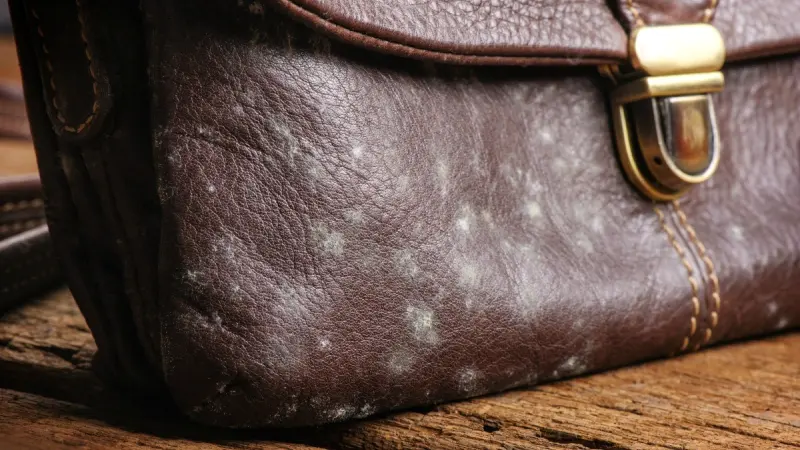
If the musty backpack smell persists after these methods, or if you see visible mold, consider a professional cleaner. Mold can penetrate padding and foam where household methods can’t reach. For high-value or specialty backpacks, professional care protects structure and materials.
Quick summary and final notes
Musty backpack smell is solved by removing moisture, addressing odor molecules, and preventing recurrence. Use sunlight and airflow first, then baking soda or vinegar for deeper odor removal, and finish with charcoal sachets for ongoing protection. Rotate these simple steps as needed and you’ll keep your backpack smelling fresh and ready for use.
need website or design? check agerr.studio now!
an don’t forget to check other content here.